

ENFORCE Partners Meet in Barcelona to Advance Environmental Compliance
22 October 2026 | Barcelona, Spain
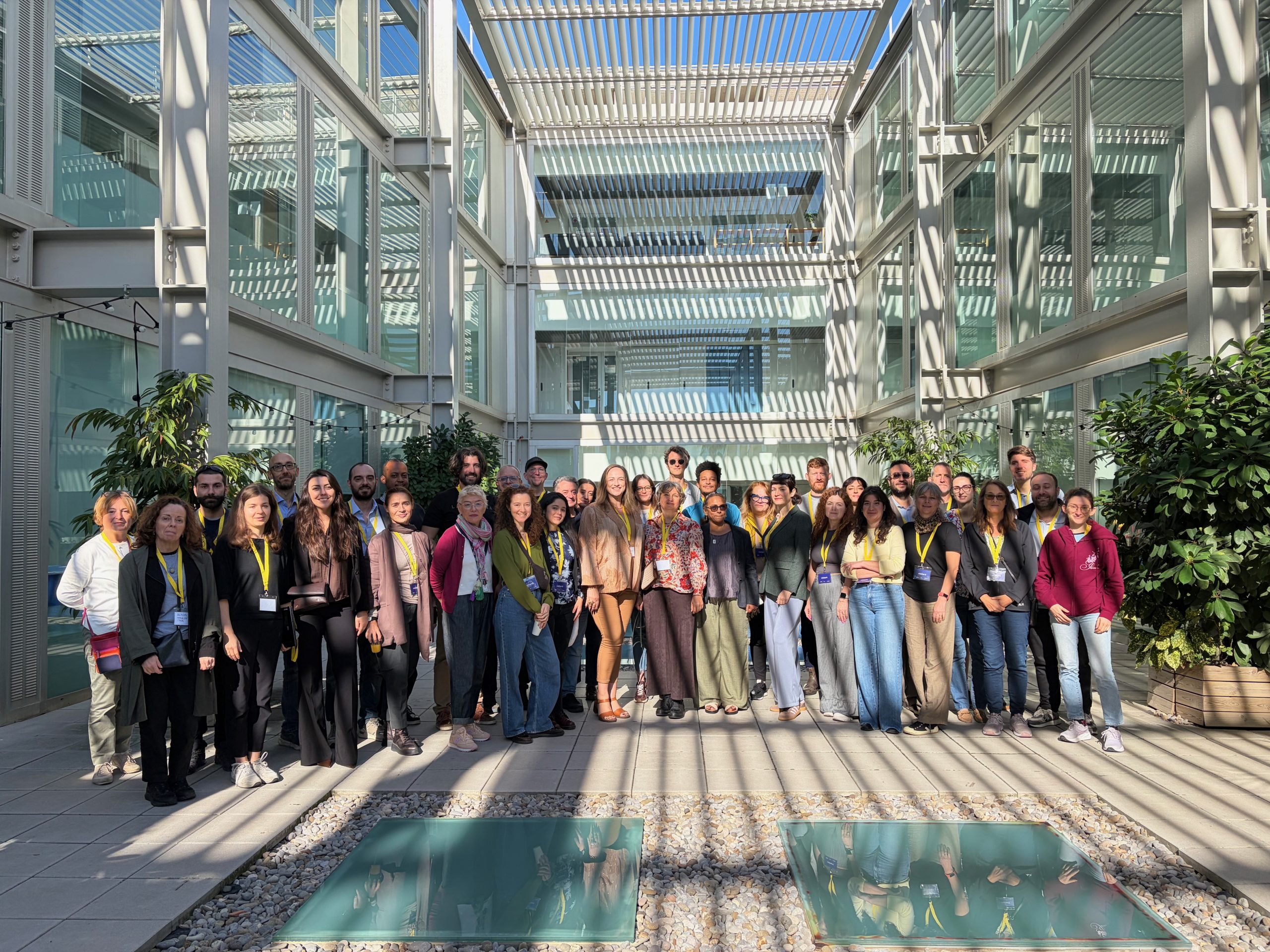
How can environmental data, citizen-generated evidence and Earth Observation technologies contribute to more effective environmental compliance? This question was at the heart of the ENFORCE General Assembly, held from 20 to 22 October 2026 at the Institut de Ciències del Mar (ICM-CSIC) in Barcelona, Spain.
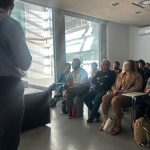
Over three days, ENFORCE partners came together to review project progress, exchange experiences from their case studies and advance the development of the ENFORCE Plaza. Through presentations, interactive workshops and discussions, the meeting provided an opportunity to strengthen collaboration and explore how the project’s research and tools can support the practical needs of citizens, public authorities, legal practitioners and environmental organisations.
From local initiatives to European collaboration
The General Assembly opened with welcome remarks from Jaume Piera of ICM-CSIC and ENFORCE Project Coordinator Svetlana Klessova, followed by a contribution from representatives of the Barcelona City Council.
The city presented its experience in citizen science and public participation, highlighting local approaches to environmental protection and waste retention. These examples offered an opportunity to explore how community engagement and collaboration with public authorities can contribute to environmental monitoring and management.
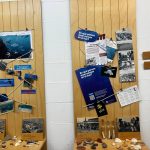
The consortium also visited El Centre de la Platja, Barcelona’s municipal environmental education and information centre located by the beach. The visit provided a local perspective on environmental education and public engagement, connecting the meeting’s broader discussions with initiatives taking place on the ground.
These exchanges highlighted the value of bringing together European research and local experience to address environmental challenges.



Advancing the ENFORCE Plaza and its practical applications
A central focus of the General Assembly was the development of the ENFORCE Plaza, the project’s platform for connecting users with resources and solutions that support environmental compliance.
Across the first two days, partners explored how the platform can respond to the needs of its intended users and encourage the uptake of ENFORCE results. Discussions addressed how its services should be communicated, how the platform’s long-term value and sustainability can be strengthened, and how to make its resources relevant and accessible to different audiences.
Particular attention was given to the integration of Earth Observation data and services with the ENFORCE Plaza and the project’s case studies. Connecting these resources with practical applications can help make environmental information more accessible and useful to those working on environmental monitoring and compliance.
Partners also discussed the Environmental Compliance Data Readiness Level (EC-DRL) concept, examining the readiness of environmental compliance data and its relevance to the project’s objectives.
Together, these sessions helped partners reflect on how ENFORCE’s tools and results can move beyond research and towards practical application.


Learning from case studies and assessing environmental evidence
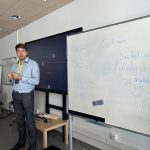
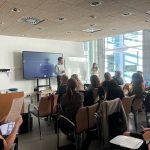
The final day placed the spotlight on the ENFORCE case studies, with partners sharing their achievements, results, challenges and lessons learned.
The presentations offered an opportunity to compare approaches across different contexts, identify common challenges and exchange knowledge that could inform the project’s ongoing work. The discussions also reinforced the importance of collaboration in understanding how different forms of environmental data and citizen-generated evidence can contribute to compliance efforts.
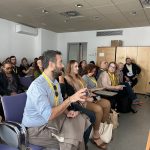
Building on these exchanges, partners took part in an interactive workshop titled “Can this model support environmental compliance? Interactive assessment of evidentiary strength across case studies.”
The workshop focused on evaluating the strength of evidence generated through the case studies and considering its potential to support environmental compliance. Assessing evidentiary strength is an important step in understanding how observations, monitoring results and other forms of environmental information can contribute to compliance-related processes.
By bringing different case studies into the same discussion, the workshop encouraged partners to reflect on the relevance, reliability and potential applications of the evidence generated through their work.
Working towards more effective environmental compliance
The Barcelona General Assembly provided an important opportunity for the ENFORCE consortium to take stock of its progress, share practical experiences and align its next steps. Discussions on the ENFORCE Plaza, Earth Observation integration, data readiness and evidentiary strength all contributed to a shared objective: making environmental information and research more useful for those working to protect the environment and support compliance with environmental legislation.
A special thank you to Institut de Ciències del Mar (ICM-CSIC) for hosting the meeting, Vanessa-Sarah Salvo for moderating the sessions, and Svetlana Klessova, ENFORCE Project Coordinator, and Chrysi Laspidou, Scientific Coordinator, for their continued leadership and commitment.
Thank you to all consortium partners for their active participation and valuable contributions throughout the three days.


