

ENFORCE Case Study 8 PFAS citizen science data attracts interest from the European Environment Agency
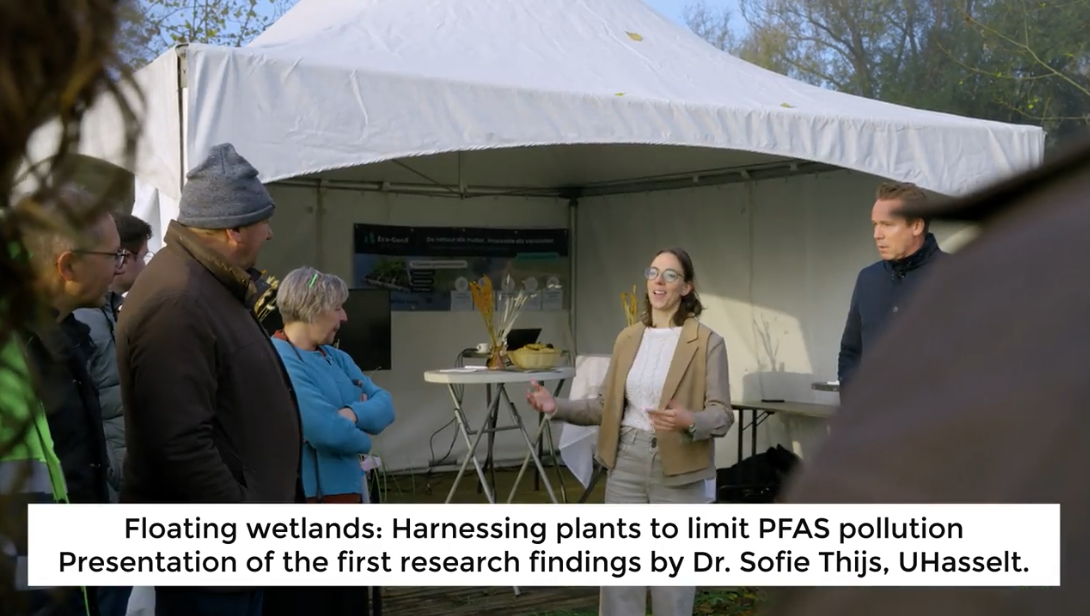
ENFORCE Case Study 8 demonstrates how citizen-generated environmental data can contribute to identifying emerging chemical risks and supporting more effective environmental monitoring.
Citizen science data collected through ENFORCE Case Study 8 (CS8) in Zwijndrecht, Belgium, has attracted the interest of the European Environment Agency (EEA), opening up new opportunities to explore how community-led environmental monitoring can complement existing approaches to identifying pollution risks.
The interest emerged following an exchange between ENFORCE and the EEA, during which the project presented its objectives and case studies as part of its work on policy recommendations.
Making citizen science data accessible and actionable
In response to this interest, researchers from Hasselt University are working on a dashboard to visualise the PFAS data collected through the case study. The dashboard is intended to be integrated into the ENFORCE Plaza, the project’s digital platform, and subsequently shared with the EEA to facilitate further exploration of the data.
This development represents an important opportunity to strengthen the connection between citizen-generated evidence, scientific research and environmental policy. It also highlights the potential of accessible data visualisation tools to make local environmental observations more useful to researchers and public authorities.
Supporting citizens in tackling PFAS pollution
Alongside the data visualisation work, the CS8 team is developing a phytoremediation guide for citizens, with an initial version expected in December 2026. The guide will provide practical information on how plants can contribute to the remediation of contaminated environments, helping citizens better understand nature-based approaches to addressing pollution.
The case study is also contributing to wider public awareness of PFAS contamination in the region. Recent activities have included the involvement of Flemish Minister of Environment Jo Brouns in an awareness-raising initiative on PFAS pollution and its prevention.
These developments take place against a broader policy backdrop of increasing attention to water pollution, biodiversity protection and nature-based solutions. In Belgium, Minister Brouns has also signed the European Commission’s Joint Statement on Water Policy, reinforcing the importance of stronger action to protect water resources.
Connecting local evidence with European action
The growing interest in the Zwijndrecht case study illustrates the wider relevance of ENFORCE’s work: empowering citizens to contribute to environmental knowledge while creating opportunities for their observations and data to inform scientific research and policy discussions.
As the project continues to develop its digital tools and citizen-oriented resources, CS8 offers a concrete example of how local citizen science initiatives can contribute to a broader understanding of environmental risks and support more informed decision-making at European level.


