

ENFORCE Barcelona Case Study: Boosting Local Partnerships for Coastal Monitoring
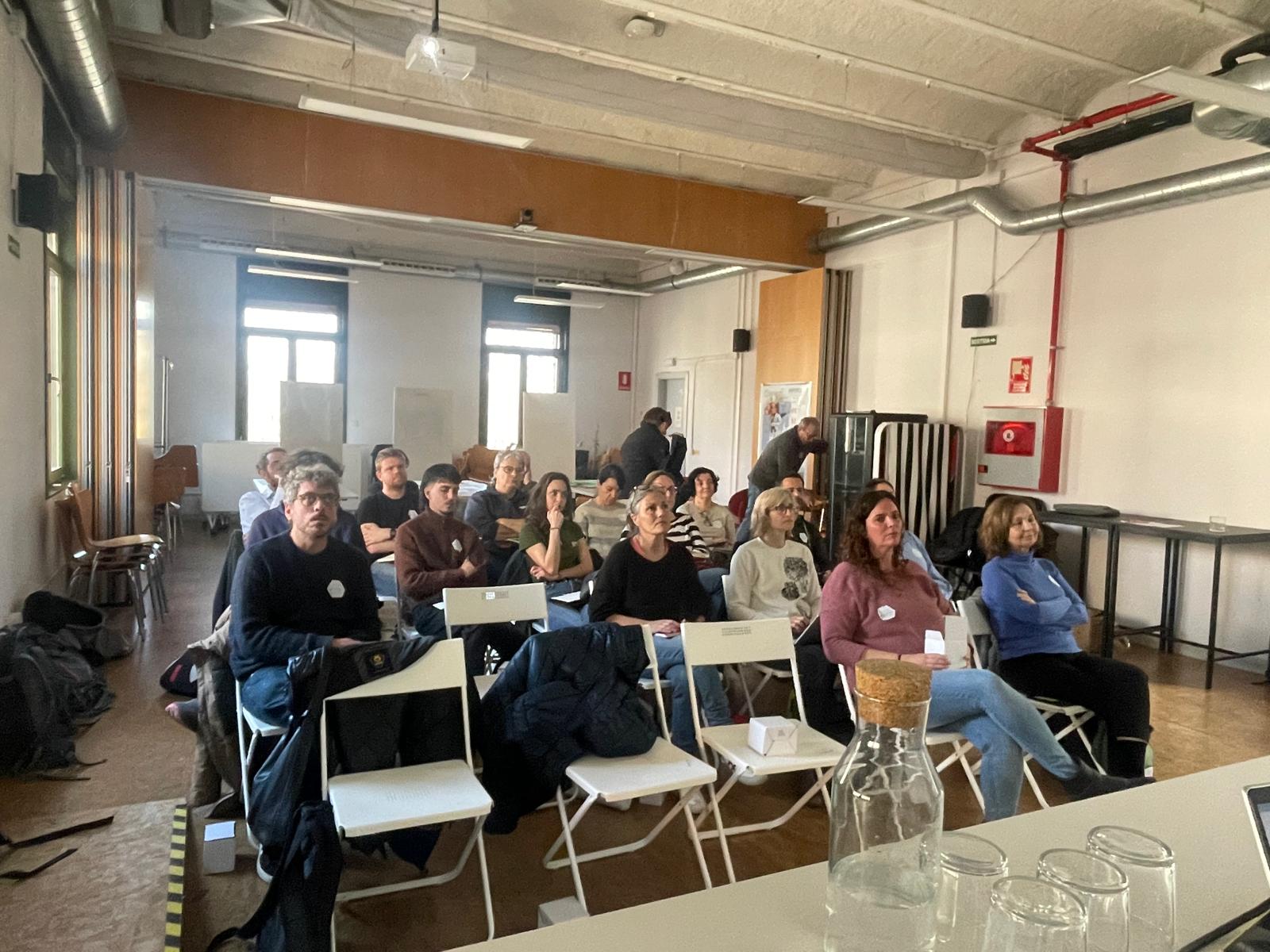
The Barcelona User Case (CS4BCN) within the ENFORCE European project has taken significant steps in 2025 to reinforce cooperation among its Living Lab. Focused on improving environmental monitoring and compliance on the city’s urban beaches for marine pollution impact and biodiversity status. The CS4BCN has brought together the growing community of municipal departments, research centres, public agencies and local citizen-science organisations discussing challenges and opportunities in the co-design of strategies for the environmental compliance.Two key networking milestones shaped this collaborative effort:
Stakeholder Workshop “Avancem Plegats!” – 28 March 2025
Hosted at La Fàbrica del Sol, this event marked the launch of the Barcelona Living Lab, bringing together 22 representatives from municipal services, scientific institutions, environmental organisations and citizen initiatives. The dynamic workshop was designed to collectively identify priorities for monitoring and measuring the impact of marine biodiversity, cigarette-butt pollution, and wet-wipe contamination. Three thematic working groups to co-design monitoring protocols were established to align efforts with EU, national and local environmental legislation and consolidate synergies among diverse actors working on beach conservation. The workshop laid the foundation for a coordinated, long-term collaboration aimed at enhancing the quality and policy relevance of citizen-generated data for the beaches of Barcelona.
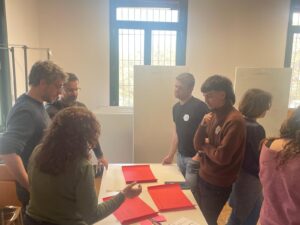
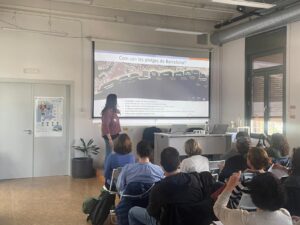
Thematic Working Group Sessions – 23–24 October 2025
Building on the March workshop, ENFORCE convened its newly established working groups in Barcelona to define the next steps of networking and co-creation sessions. These meetings strengthened the operational structure of the
CS4BCN Living Lab:
- Facilitated mapping of ongoing coastal monitoring projects in Catalonia.
- Advanced the harmonisation of data-collection methodologies using tools such as MINKA, MARNOBAand EDMONet.
- Support the Data Readiness Level (DRL) framework for conceptualization to ensure the legal and scientific robustness of citizen-science data.
- Fostered deeper collaboration among public agencies, research bodies and civil society organisations.
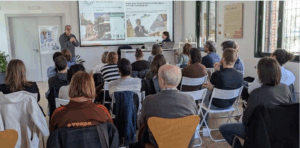
The October sessions marked a shift from initial networking to structured planning, preparing the collaborative network for field implementation in 2026. Increased capacity to generate reliable, actionable data that can support compliance with EU directives and local regulations.
A collaborative system of governance that actively engages citizens alongside public authorities.


