ENFORCE at ECSA 2026: Advancing Citizen Science for Environmental Governance
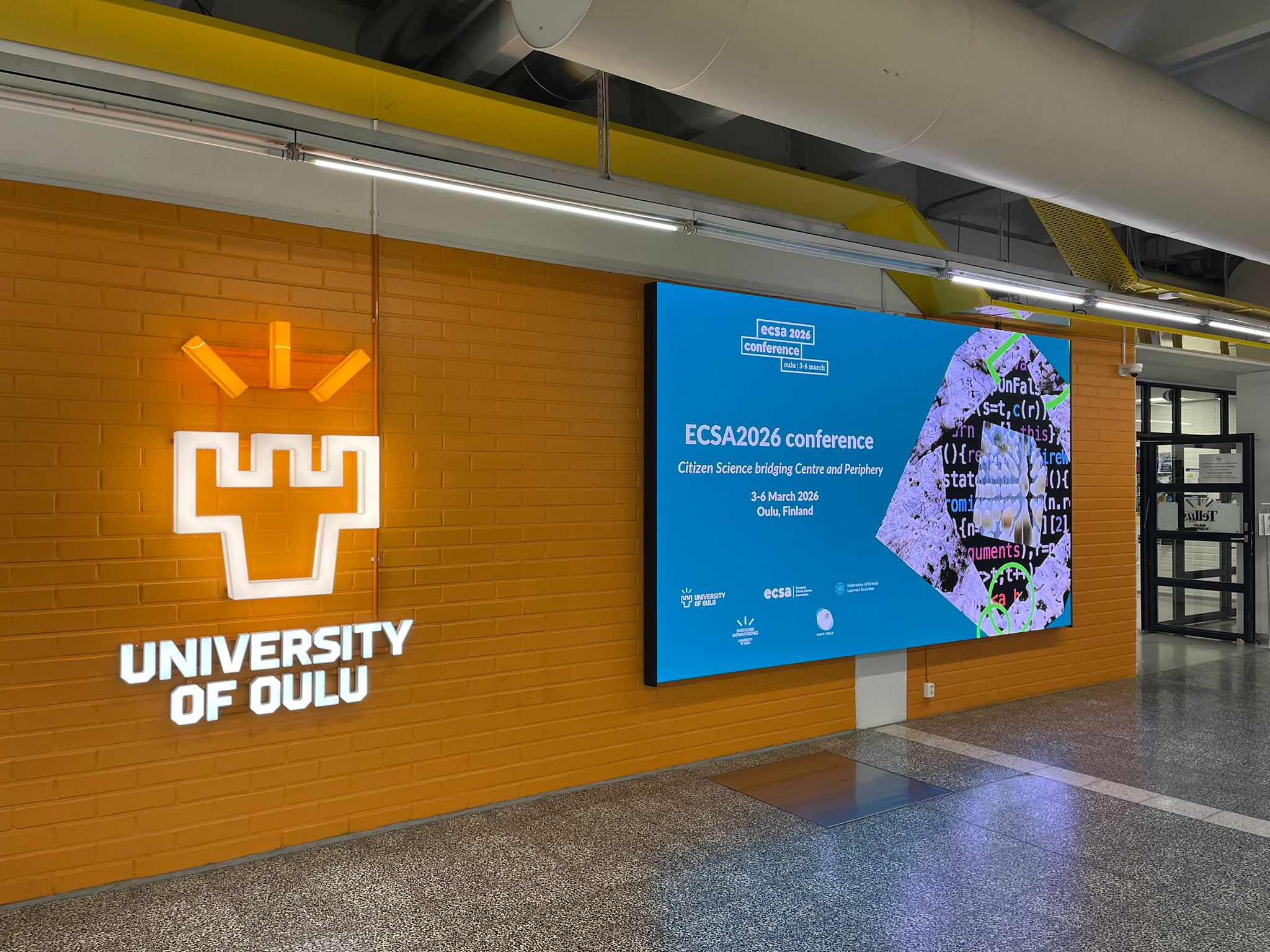
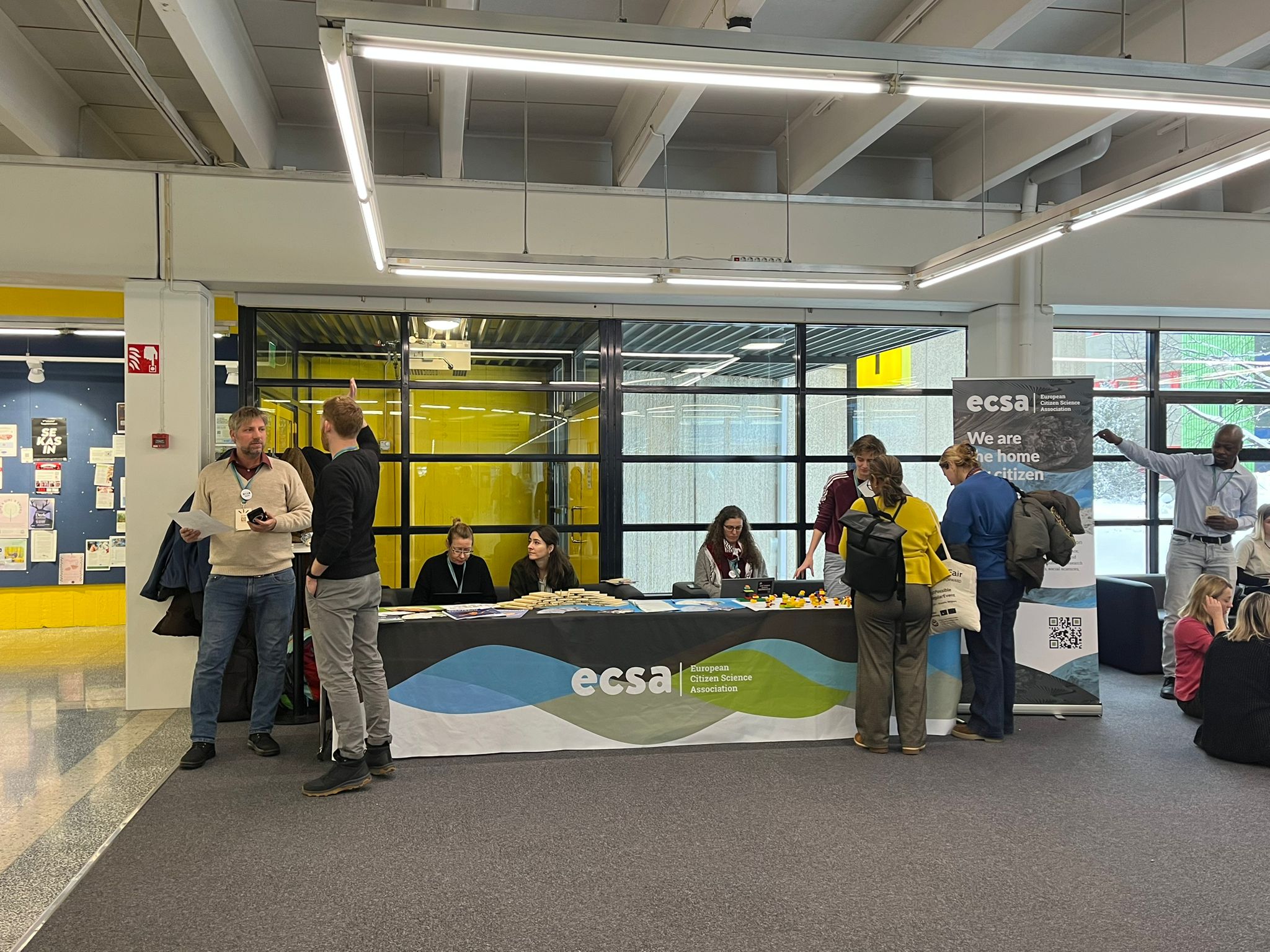
From 3–6 March 2026, partners from the ENFORCE project participated in ECSA 2026, the annual conference of the European Citizen Science Association held in Oulu, Finland. The event brought together researchers, policymakers, practitioners and civic innovators from across Europe to explore the evolving role of citizen science in addressing complex societal and environmental challenges.
Under the conference theme “Citizen Science between Centre and Periphery”, participants examined how participatory research can support more inclusive knowledge production, strengthen environmental monitoring and contribute to evidence-based policymaking.
Across several sessions, ENFORCE partners shared insights from the project’s work on citizen participation, environmental compliance and data-driven governance. 
Exploring the Connection Between Living Labs and Citizen Science
One of the sessions involving ENFORCE partners focused on the relationship between Living Labs and citizen science, organised in collaboration with the European Network of Living Labs.
The roundtable explored how Living Lab environments – built on the quadruple helix model bringing together academia, industry, public authorities and citizens – provide a valuable framework for implementing citizen science initiatives in real-world settings. Discussions highlighted how participatory approaches can move beyond consultation towards co-creation, enabling citizens to actively contribute to research and innovation processes.
Such collaborative environments are increasingly recognised as important platforms for testing new approaches to environmental monitoring and governance.
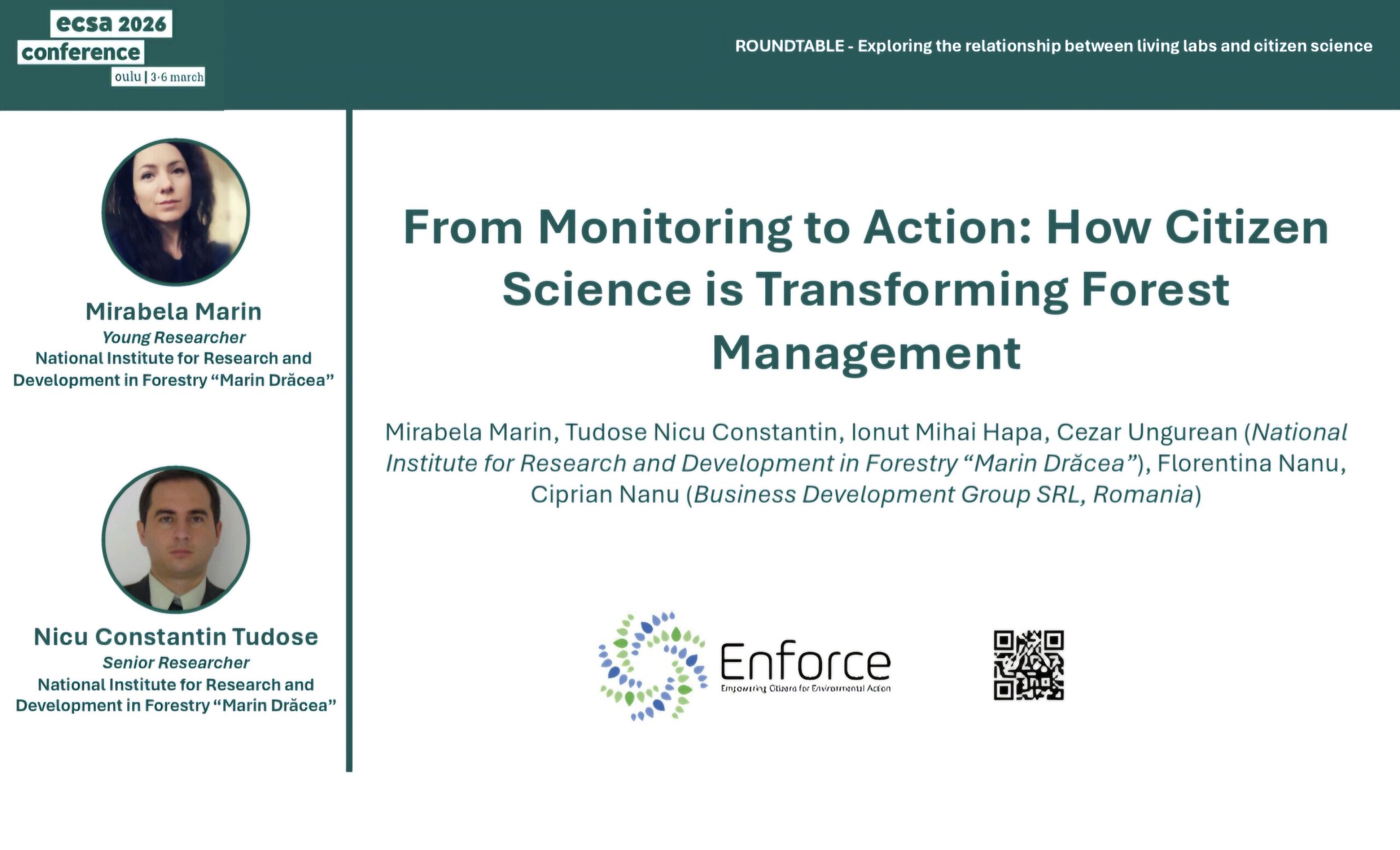
Strengthening Trust in Forest Governance: Insights from the Brașov Case Study
During the first day of the conference, ENFORCE partners presented work from the project’s Brașov case study, which addresses challenges related to social polarisation and declining trust in forest management.
Illegal logging and concerns over forest health remain significant issues in the region. Although national wood-tracking tools exist, citizen participation in monitoring activities has decreased over time, partly due to the limited feedback provided to users after reporting potential issues.
To address this challenge, ENFORCE is developing a dedicated mobile application that introduces an “Empowerment Feedback Loop” designed to re-engage citizens. The tool aims to support participatory forest monitoring by providing:
-
expert validation of citizen reports
-
educational guidance on forest management issues
-
updates on how submitted information contributes to monitoring and governance processes
By improving transparency and communication between citizens, experts and authorities, the initiative seeks to restore motivation for participation and support more resilient and trusted forest governance systems.
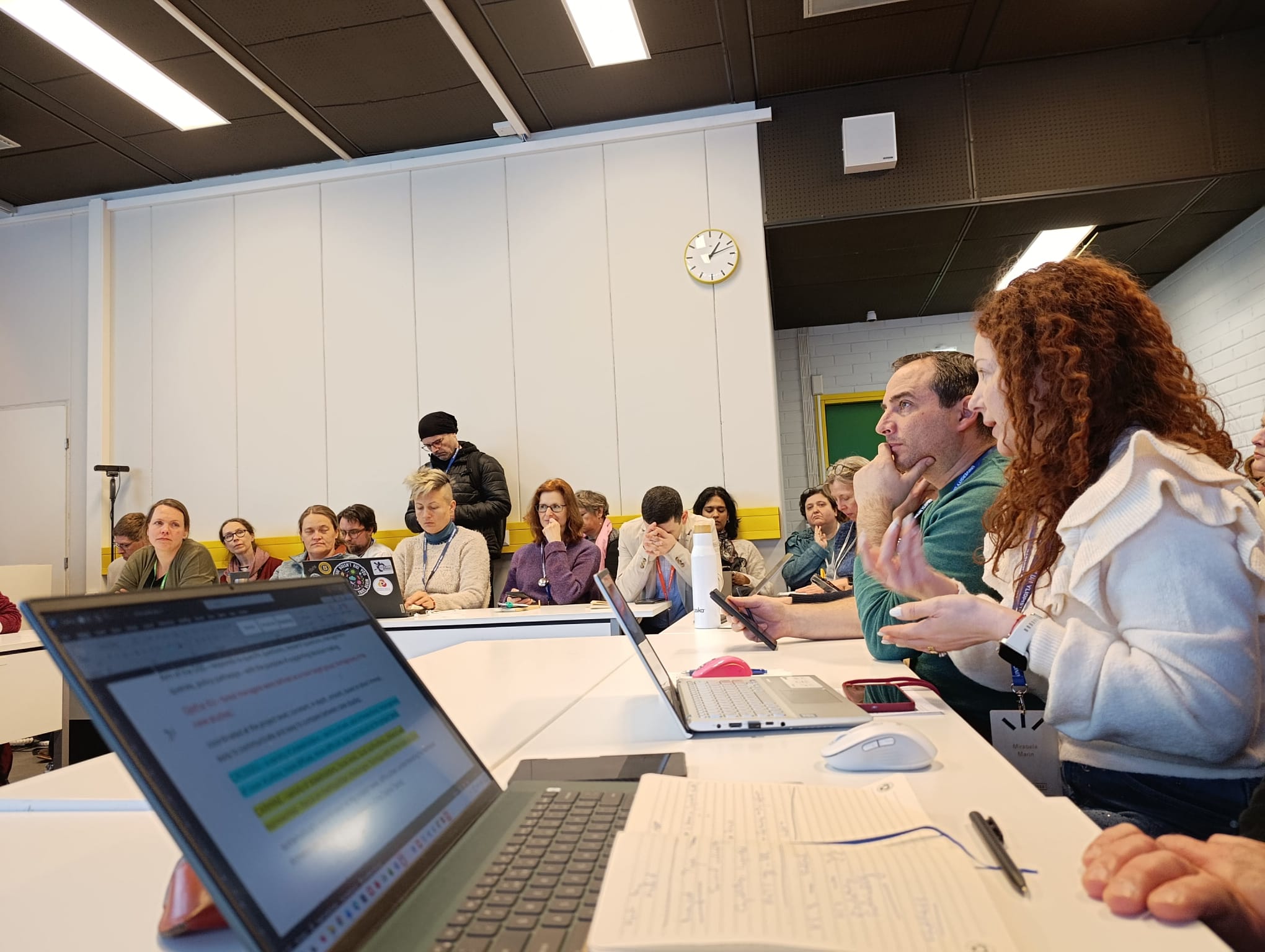
Citizen Science for Biodiversity Monitoring and Environmental Compliance
Another session explored the relationship between citizen science, biodiversity monitoring and environmental enforcement. Through a collaborative discussion format, participants examined how participatory monitoring initiatives can support environmental protection and strengthen compliance mechanisms.
A presentation by the University of Crete citizen science team highlighted the Themis application, which enables citizens in Crete to report environmental crimes. Originally developed in a previous initiative and further expanded through ENFORCE activities, the platform demonstrates how digital tools can connect citizen observations with environmental compliance processes.
The discussion emphasised the growing importance of integrating citizen-generated data into environmental monitoring frameworks while ensuring reliability, transparency and trust.
Bridging the Citizen Science Data-to-Policy Gap
A further roundtable addressed one of the central challenges facing citizen science today: ensuring that citizen-generated data can effectively inform policy and regulatory decision-making.
The session, organised in collaboration with the more4nature project and the Institut de Ciències del Mar (ICM-CSIC), explored how data readiness level frameworks can help bridge the gap between data collection and policy impact.
Participants discussed key challenges in the data-to-policy pipeline, including:
-
ensuring the quality and interoperability of citizen-generated data
-
improving traceability within monitoring and regulatory systems
-
strengthening alignment between citizen science initiatives and policy needs
The discussion brought together experiences from several EU-funded initiatives, including ENFORCE, more4nature, ENHANCE and RIECS-Concept, highlighting the potential for stronger collaboration in advancing the science–policy–society interface.
Looking Ahead
Participation in ECSA 2026 provided an important opportunity for ENFORCE partners to exchange knowledge, connect with the wider citizen science community and showcase the project’s work on participatory approaches to environmental governance.
The discussions reinforced the growing recognition that citizen science can play a crucial role in strengthening environmental monitoring, transparency and compliance mechanisms.
The insights gained in Oulu will help inform the next phase of the ENFORCE project as it continues to develop innovative tools and participatory approaches for environmental protection across Europe.
The ECSA 2026 Conference Programme is available on the conference website.